The Observatoire district in Uccle: architecture between heaven and earth


From cottages to modernist villas
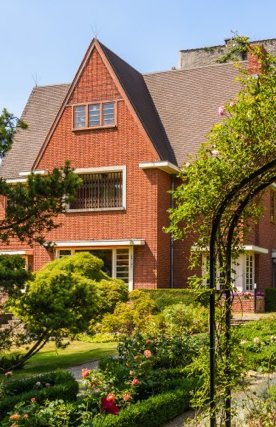
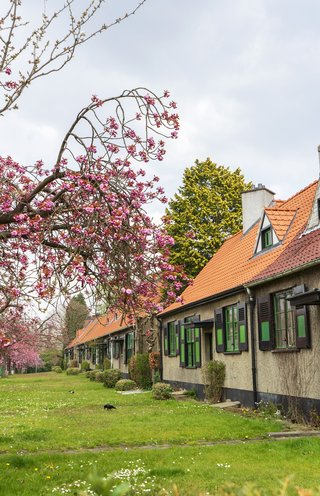
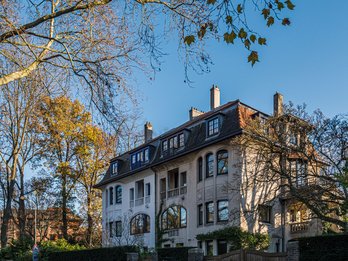
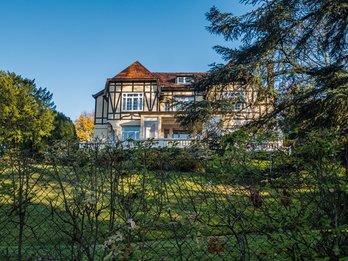
Between 1870 and 1914, the Observatorium district began to develop high up on the Sint-Job plateau as a green suburb of Brussels. During this period, mainly English-style cottage houses were built, characterized by overhanging roofs, polygonal floor plans, and extensive use of wood, creating a picturesque and varied streetscape. The district in Uccle was intended as a retreat for the Brussels elite, where peace and space went hand in hand with refined architecture. While other districts in Brussels were buzzing with Art Nouveau during the same period, we find subtle traces of this style in the Observatory district, such as in Victor Horta's Villa Frison.
Royal Observatory
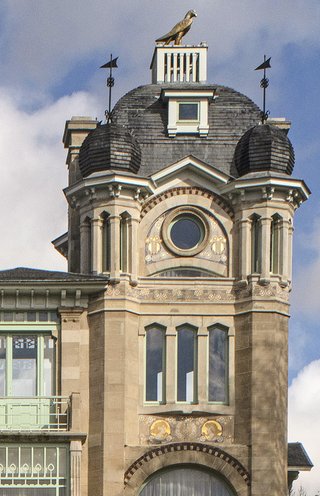
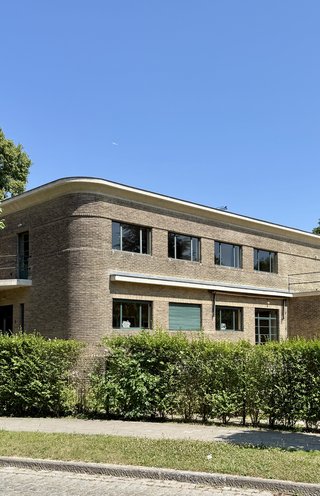
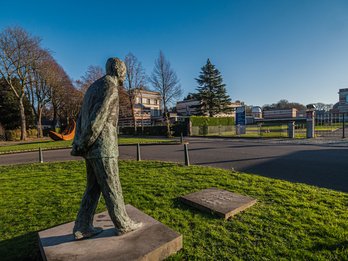
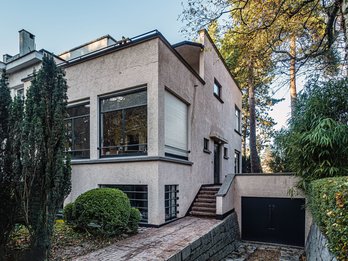
In addition to the early villas, the neighborhood also reflects the rise of Art Deco and modernist architecture. Great Belgian architects such as Henry Van de Velde, Adrien Blomme, and Victor Dirickx left their mark, introducing new materials and clean lines without disrupting the green context. A particular eye-catcher is the Royal Observatory of Belgium, founded by Alphonse Quetelet and designed by Octave Van Rysselberghe, which illustrates the scientific ambitions of the neighborhood. The streets and avenues are laid out in such a way as to show off the architecture to its best advantage.
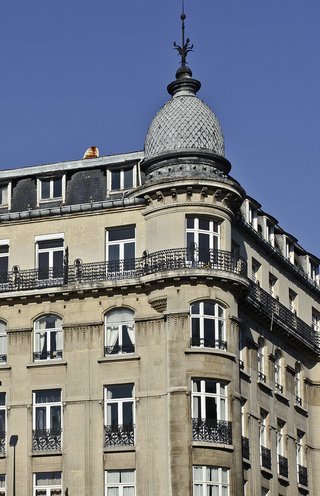
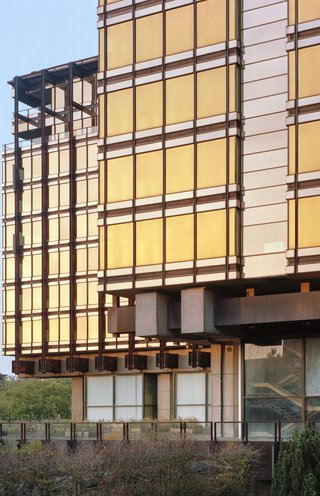
Today, the Observatorium district combines historical charm with contemporary architecture. Designs by architects such as André Jacqmain, Albert Bontridder, and Jacques Dupuis add new accents to a district where traditional and contemporary architecture meet. During this guided walk, you will discover how the district has developed over the decades, how urban planning and architecture have come together to form a harmonious whole, and how the Observatorium district remains an example of thoughtful urban expansion with an eye for beauty, function, and greenery.
Good to know
This city walk takes place in an urban environment where obstacles such as cobblestones, narrow sidewalks, and level differences cannot always be avoided. Please do not hesitate to contact us for more information.
This walk is a linear walk with a different end point. Don't want to walk back to the starting point? No problem: there is always a public transport stop nearby. At the start, you can agree on the end point with the guide.
Reservation and guide fee. We are exempt from VAT.