Val-Saint-Lambert & design (1958–2000)
In 2026, Cristalleries du Val Saint-Lambert will celebrate its bicentennial. To mark this anniversary, the Design Museum Brussels is collaborating with various museums and scientific institutions to shine a spotlight on this gem of Belgian creativity and industrial heritage.
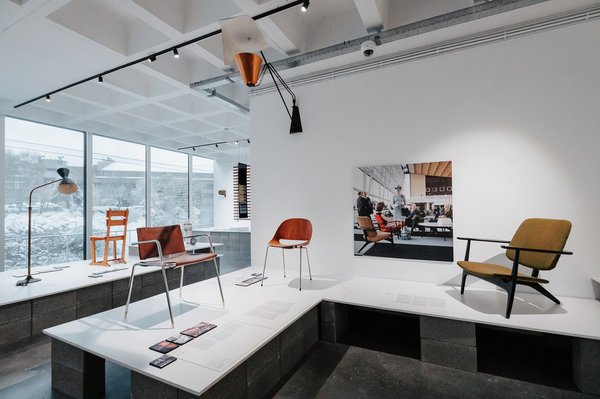
In collaboration with the Glass Museum in Charleroi and curated by Catherine Thomas and Anne Vanlatum, the exhibition Val Saint Lambert & Design (1958-2000) at the Design Museum Brussels is dedicated to the creations of Val Saint-Lambert from the 1958 World's Fair to the early 2000s, a period that witnessed unprecedented creative innovation. It embodies Val Saint-Lambert's desire to preserve the craft while anchoring it in modernity and in a constant dialogue with design.
This exhibition is on display at Design Museum Brussels until October 25, 2026.
Fire
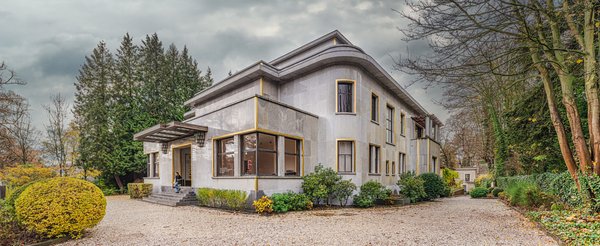
The Boghossian Foundation presents Fire, an exhibition that brings together some fifty modern and contemporary artists around the intriguing theme of fire.
Using a rich array of media—ranging from sculptures, paintings, and installations to photographs, videos, and tapestries—the works explore the many forms of this element: flames, candles, electricity, smoke... From the warm hearth to the gray ashes, from a sparkling spark to a blazing fire, each creation evokes the symbolic, physical, and sensory power of this universal phenomenon.
This exhibition will be on display at Villa Empain until March 1, 2026.
Logis & Floréal – social housing based on the British model
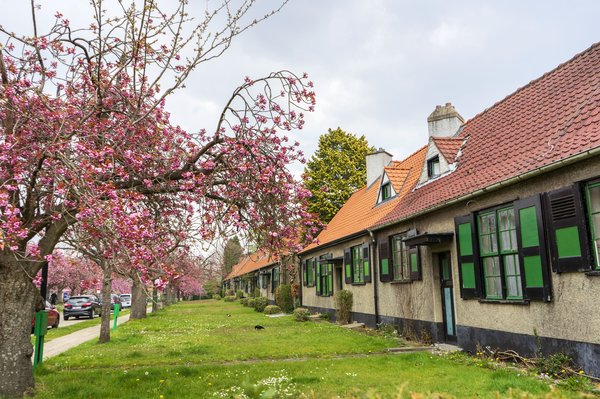
At Le Logis and Floréal, you will experience a living environment that has captured the imagination for over a century: winding avenues, lush front gardens, and rich vegetation with hundreds of Japanese cherry trees that form a soft pink mist of blossoms around the houses every spring. These garden suburbs in Watermaal-Bosvoorde were created at the request of two tenants' cooperatives from 1921-1922 and were designed by architect Jean-Jules Eggericx in collaboration with urban planner Louis Van der Swaelmen, within the garden city concept that came to Belgium from England at the beginning of the 20th century. In contrast to the more rigid urban grid, everything here seems to have grown organically: undulating terrain, variation in geometry and sightlines, and a fluid symbiosis of buildings and nature.
Lion City
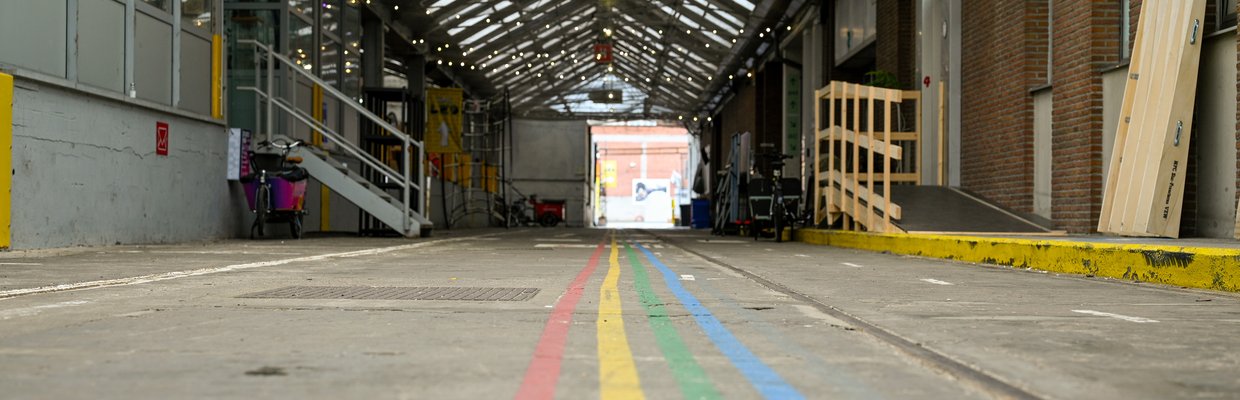
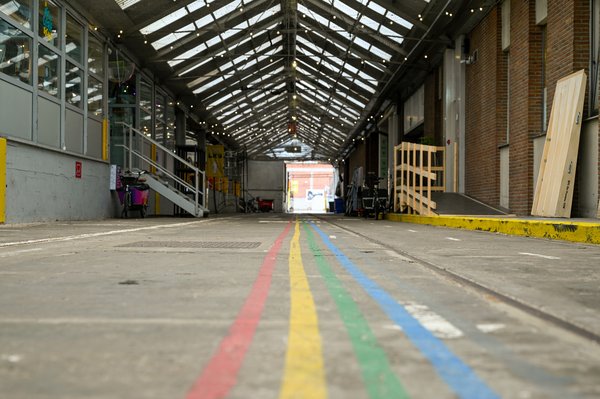
Anyone who enters Lion City today finds themselves in a place that embodies the past, present, and future. The site, once owned by Delhaize, housed the bottling plant and distilled spirits, among other things, and thus played a major role in the company's development into the supermarket we know today. Strategically located close to the railway line and the canal, the site was part of the industrial network that shaped Molenbeek since the 19th century. Warehouses, logistics buildings, and robust structures bear witness to an architecture that was entirely dedicated to efficiency, production, and distribution.
Vorst Town Hall
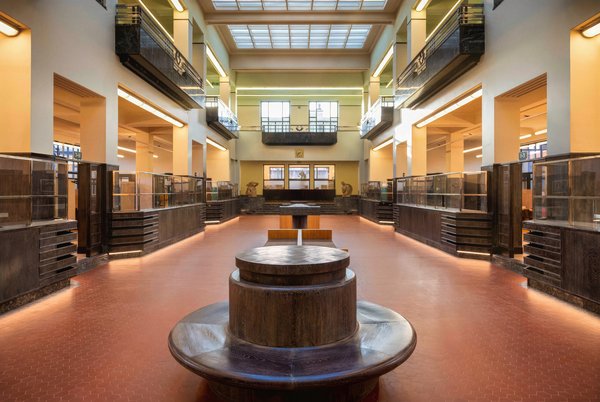
When he drew up the design for the town hall of Vorst in the early 1930s, he was at the height of his career. The result is a magnificent Art Deco building in which modernist details are subtly interwoven. This architectural gem, in the municipality where Dewin himself lived, is one of the most remarkable town halls in Brussels.