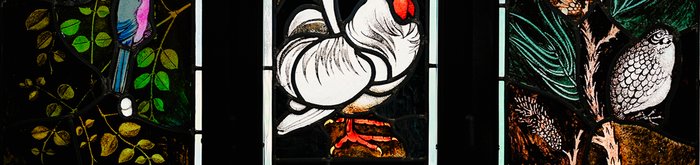
Which animals can you see in the town hall of Forest?
Jean-Baptiste Dewin occupies a special place in Brussels architecture at the turn of the century. He is often associated with Art Nouveau, but his work cannot easily be pigeonholed into a single style. What sets Dewin apart is his consistent and narrative use of animal and plant motifs as an integral part of architecture. For him, decoration is not an afterthought, but a fundamental element of the design.
Dewin (1872–1942) worked during a period in which Brussels underwent significant change and architects experimented with new forms, materials, and symbolism. Unlike his contemporaries such as Victor Horta, who abstracted nature into flowing lines and structures, Dewin often opted for recognizable, figurative motifs. Plants, flowers, birds, and other animals appear explicitly in facades, reliefs, mosaics, and ironwork. They give his buildings an almost narrative character and make them both accessible and idiosyncratic.
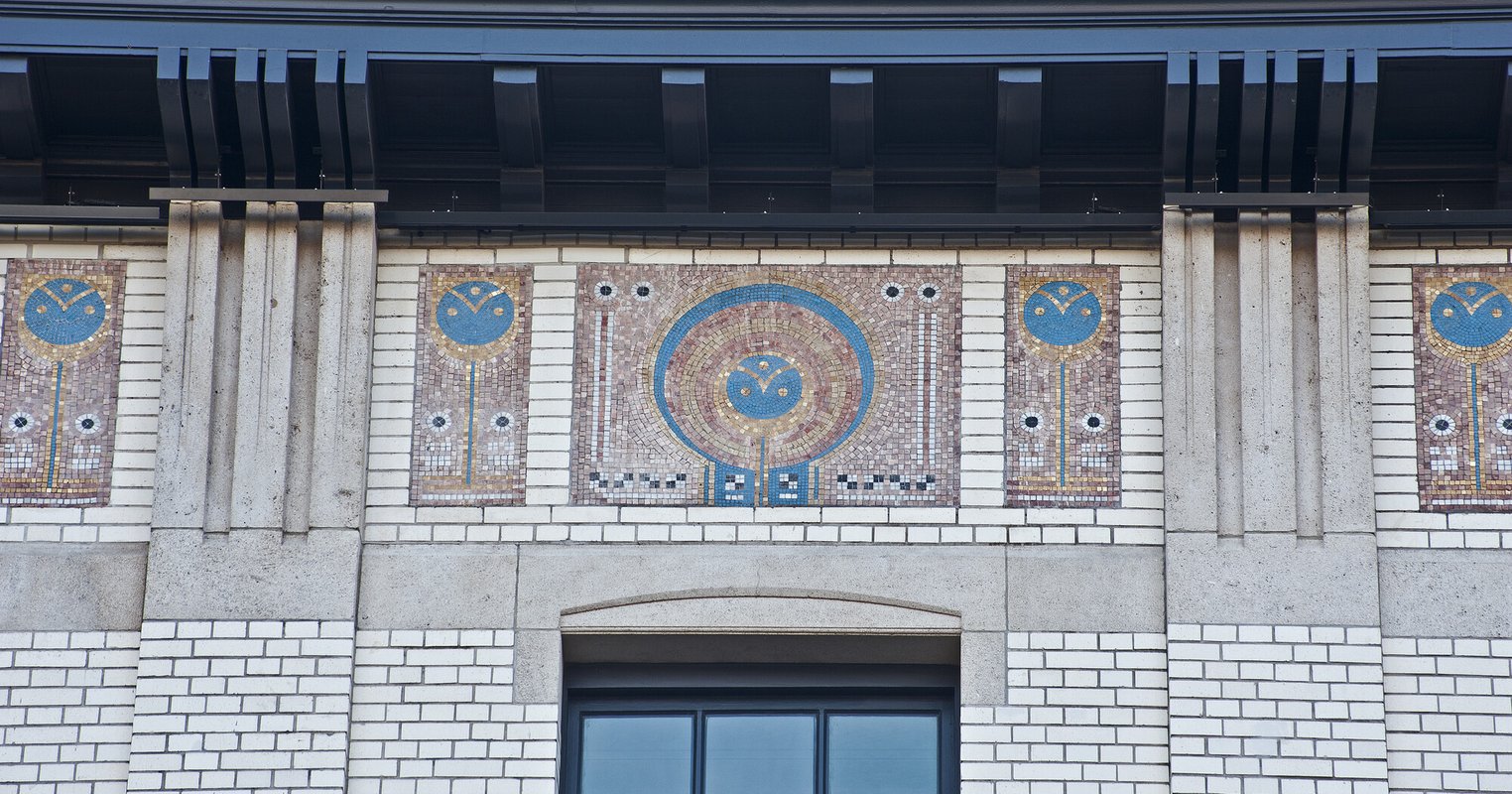
His own home is a clear example of this approach. The house served not only as a place to live, but also as a personal manifesto. The façade is richly decorated with natural motifs that are not merely aesthetic, but refer to growth, life, and harmony. Plants wind their way across the facade, animals appear in sculptural details and provide playful accents. As a result, the architecture does not exude a strict monumentality, but rather a warm, almost homely expression. Here, Dewin shows how ornament and architecture can form a whole, without the decorative dominating.
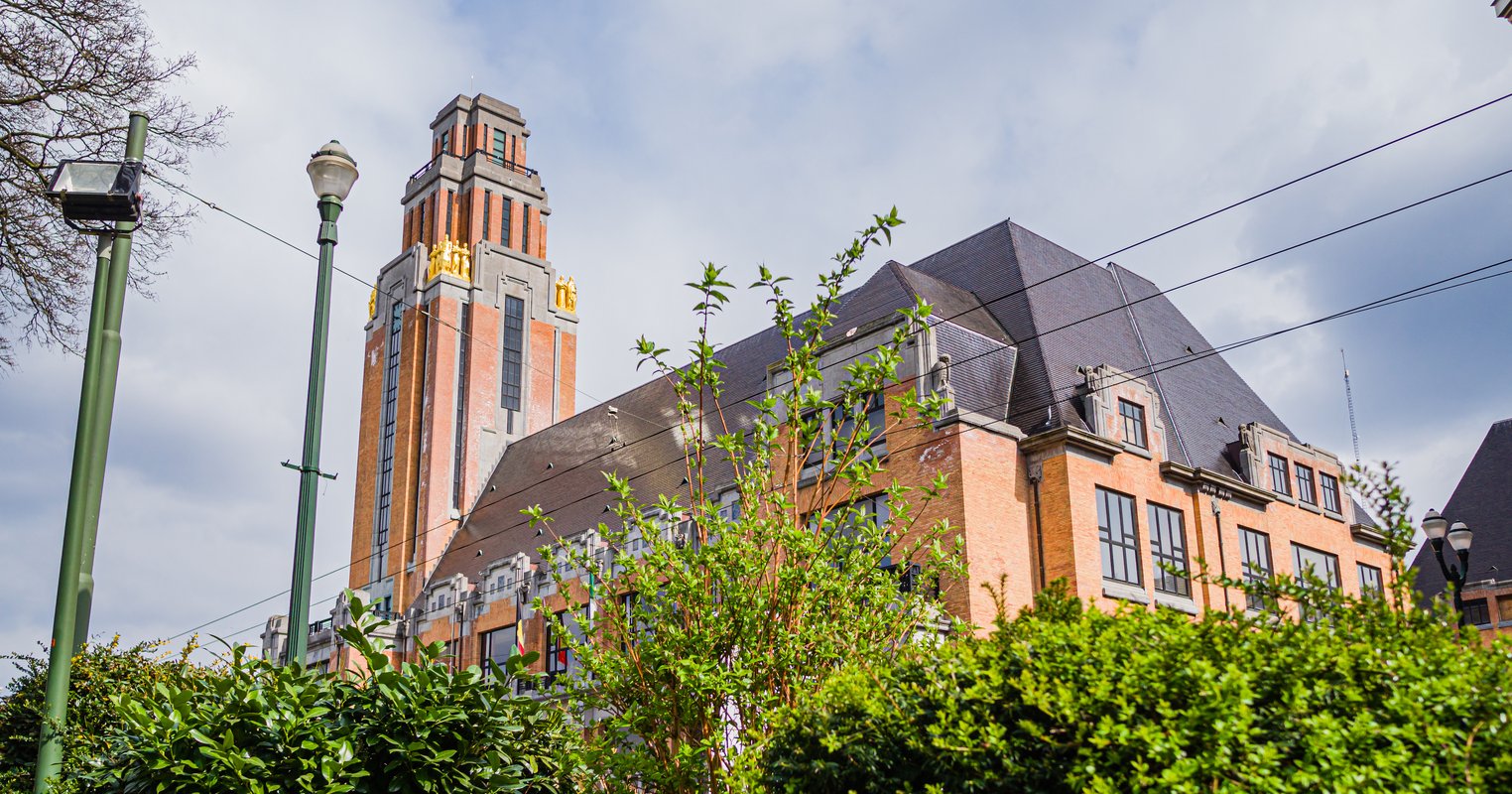
On a completely different scale, but with a similar visual language, we find the town hall of Vorst. This building is monumental and civic in nature, but Dewin softens its monumentality with rich decoration inspired by flora and fauna. The sculptures and ornamentation feature recurring plant motifs that refer to fertility, stability, and connection with nature. Animal figures are also used, not merely as decoration, but as symbolic carriers of meaning, in keeping with the public function of the building.
What is striking in the town hall is how Dewin uses natural motifs to support order and structure. They follow the rhythm of the façade, mark entrances, or emphasize important architectural elements. This creates a tension between rationality and imagination, between public representation and poetic detail.

The work of Jean-Baptiste Dewin shows how nature in architecture can be more than just inspiration. By making animals and plants explicitly present, he gave his buildings a recognizable identity and a strong symbolic meaning. In Brussels, his creations form a subtle but convincing alternative to the more familiar Art Nouveau, in which decoration does not disappear into abstraction, but speaks in images that everyone can read.
